
Research: Hedgehogs and microplastics
17th June 2026
A new UK study supported by the British Hedgehog Preservation Society has revealed that the majority of pet food products tested contain microplastics, raising concerns about animal health and the spread of plastic pollution into the environment.
The findings
Researchers from the University of Sussex and the University of Exeter found that 76% of pet food brands they tested contained microplastics. The findings, published in the journal Environmental Toxicology and Chemistry, suggest that everyday feeding habits could be an overlooked source of environmental contamination.
The study analysed 38 dog, cat and hedgehog food products sold across the UK. Microplastics were detected in more than a quarter of all samples tested, with cheaper “value range” products showing the highest levels of contamination. Mid-range products followed, while premium brands generally contained fewer particles, although some were still affected.
The scale of contamination
Lead researcher, PhD student Emily Thrift said the scale of contamination was significant. “We found microplastics in 16 out of the 19 brands we tested, including very well-known ones,” she said, adding that the findings point to a “major, previously overlooked pathway” for plastics to enter terrestrial ecosystems.
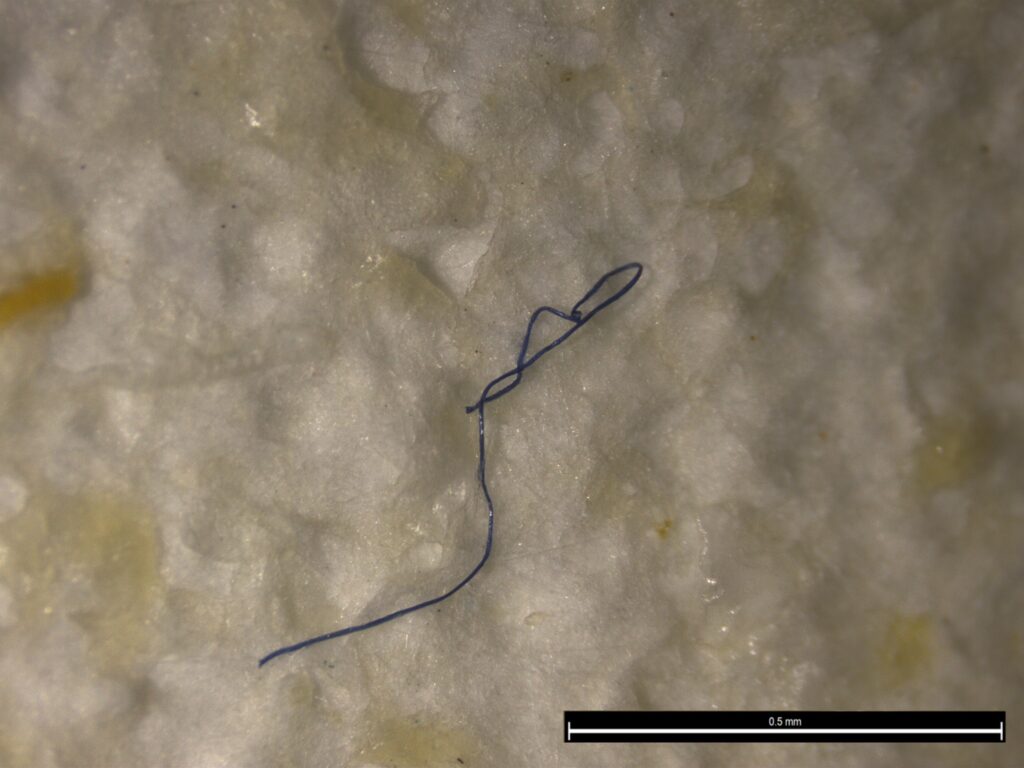
The study estimates that a large dog fed on wet food could ingest between 162 and 2,314 microplastic particles per day, depending on the brand and type of food. Cats could consume between 33 and 407 particles daily. These particles are then excreted, potentially introducing plastics into soil and wider environments.
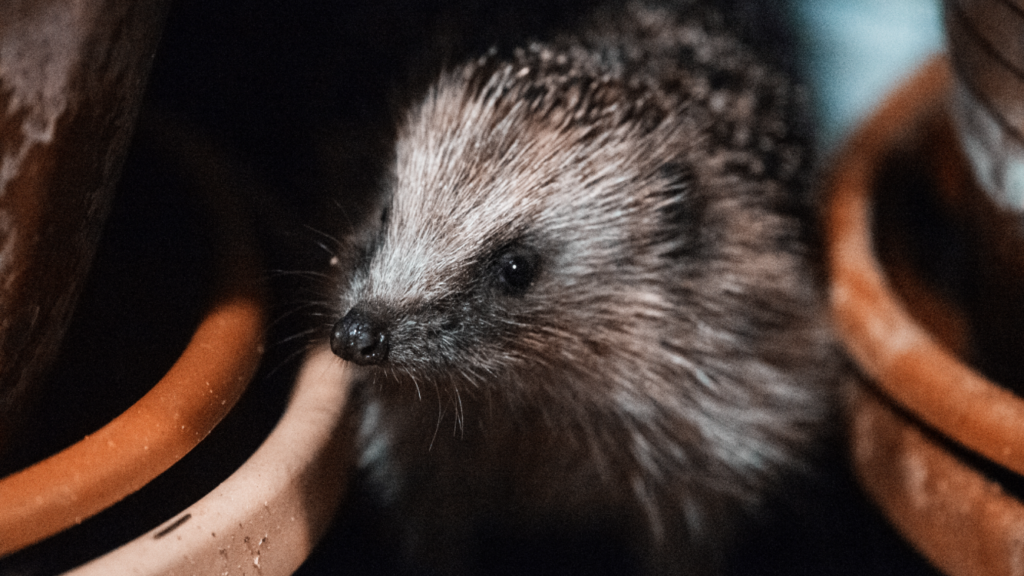
Wildlife could also be affected. Hedgehogs, which are often fed food in gardens, could ingest between 6 and 105 microplastic particles per day, according to the research.
Plastic pollution
Professor Fiona Mathews, one of the study’s authors, said the findings challenge assumptions about where plastic pollution occurs. “Microplastics are not just a marine problem,” she said. “Our pets may be inadvertently spreading plastic pollution through their food and faeces, affecting wildlife and the wider environment.”
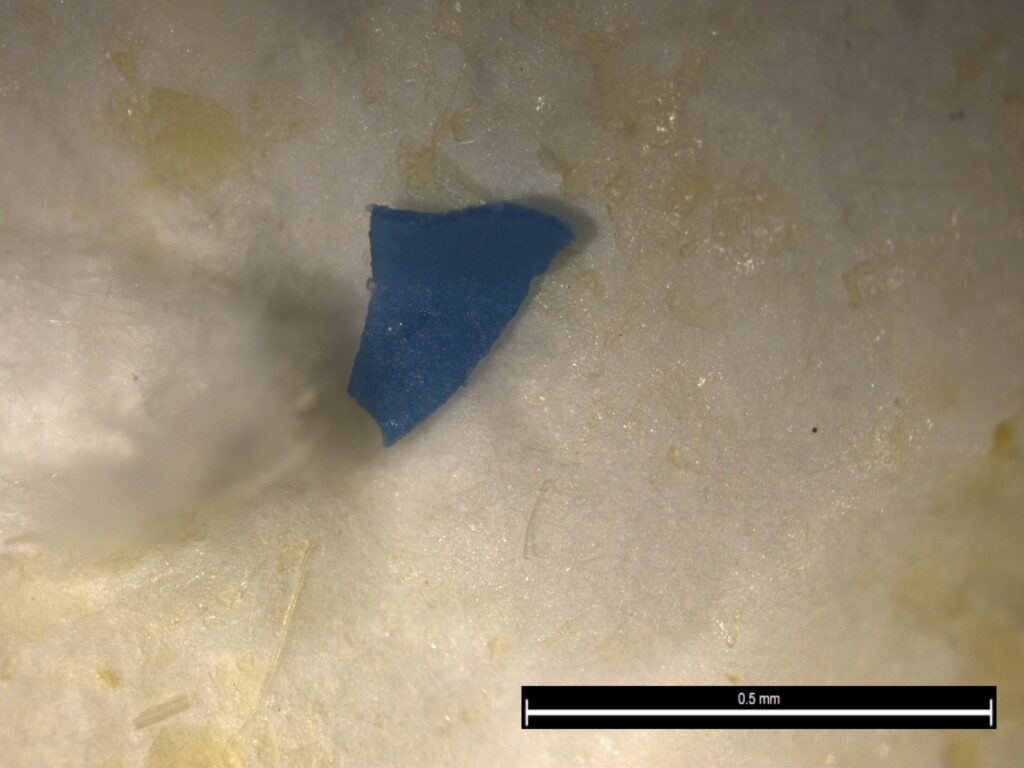
While the study did not focus on health impacts, researchers noted that the presence of microplastics in pet diets could have implications for both domestic animals and wildlife.
The team is calling for further investigation into how microplastics enter pet food, including whether contamination occurs during ingredient sourcing, manufacturing or packaging. They also urge tighter monitoring of animal feed products.
Professor Tamara Galloway said the findings highlight a broader issue. “Our results are a reminder that our pets are exposed to the same chemical pollutants as ourselves,” she said. “Cleaning up the pet food chain is a crucial target for the future.”

