Research: Genetic isolation
23rd October 2026
A new study, led by Jessica Turner of the Institute of Zoology, has found hedgehogs in central London are becoming genetically isolated from nearby populations.
Jess focuses her research on hedgehog habitat and distribution and uses genetics and computer modelling to analyse hedgehog population data across London.
The researchers analysed DNA collected from the tissue samples of 72 deceased hedgehogs, between 2012 and 2022, from Greater London and surrounding counties. They used advanced genetic techniques to examine over 1,400 genetic markers (SNPs). They then compared the DNA of hedgehogs living in urban areas, suburban areas and greener landscapes.
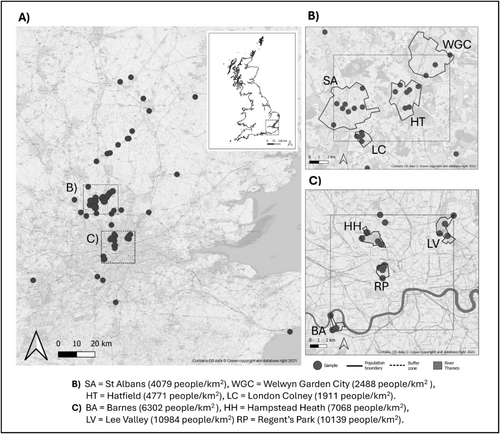
They found that hedgehogs living in London, particularly in and around Regents Park, are becoming genetically isolated from nearby populations. This means that hedgehogs are not moving and breeding freely, populations are not interacting and gene flow is reduced. The researchers believe urban barriers such as busy roads, rivers, buildings, rail infrastructure, and fragmented green spaces are limiting movement.
The researchers also found that London hedgehogs had lower genetic diversity than those outside the city. This means that they may be less able to respond to environmental changes, more susceptible to disease and therefore more vulnerable to decline.
Populations outside Greater London showed much less genetic separation and healthier connectivity. This suggests hedgehogs cope better in suburban landscapes, smaller towns and rural areas, where movement is easier.
Overall the study found that green spaces such as parks, gardens, allotments and cemeteries help hedgehogs move around cities. However major roads, dense urban areas and rivers act as barriers to movement. Although it was expected that railways might act as barriers, surprisingly data suggested that railways may help hedgehogs travel between green areas in London due to their thicker vegetation and lack of people.

The study concludes that hedgehogs can survive in cities but can get trapped in isolated populations in highly urbanised sites. Some London populations are becoming smaller, more isolated and genetically weaker. Maintaining and strengthening the connection between populations through hedgehog highways, parks, green corridors, wildlife-friendly fencing and safer road crossings will likely be essential to halting further declines. Even small increases in movement between populations could greatly improve the genetic health of London’s hedgehogs.

