Research: Litter in nests
8th May 2026
Hedgehogs are building their homes using human litter, according to new research, raising questions about how human activity is impacting wildlife.
The study, published in the journal Ecology and Evolution, found that some hedgehogs are incorporating anthropogenic (human generated) materials, such as plastic bags and wrappers, into their hibernation nests, a behaviour rarely documented in mammals.
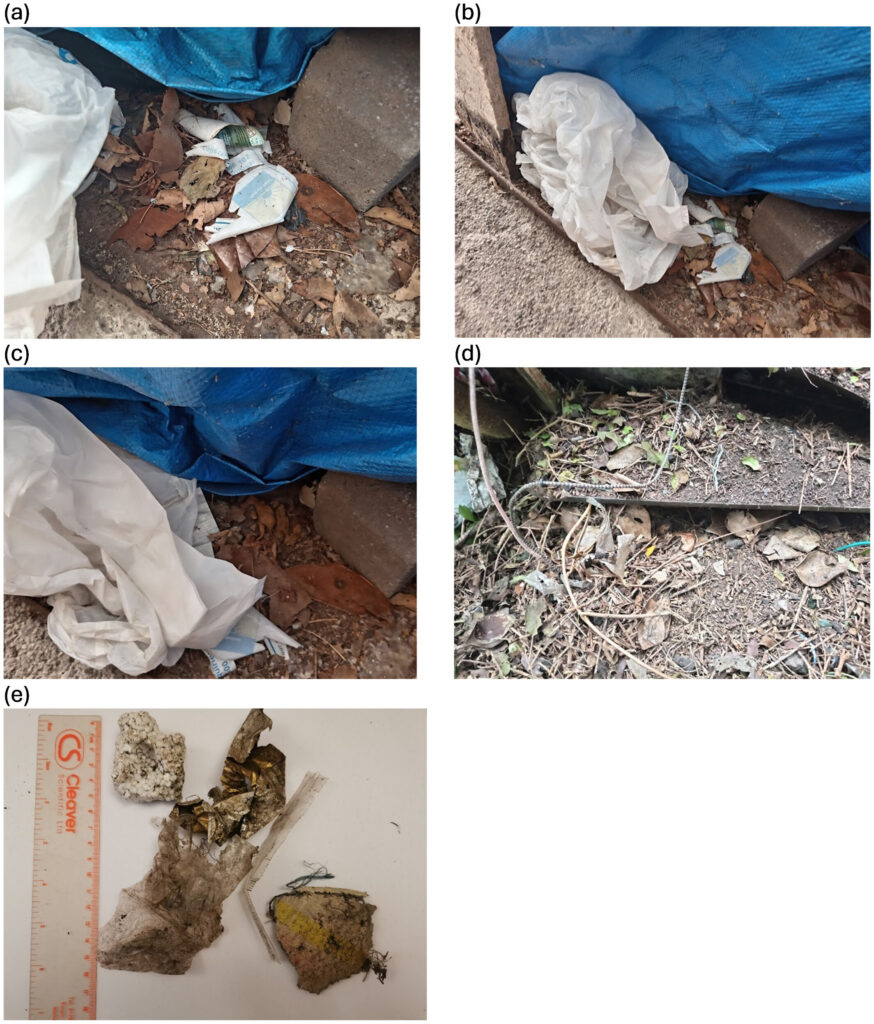
Researchers led by Katie Crawford examined four hedgehog nests and discovered that two contained artificial materials such as plastic, foil and polystyrene.
A shift in behaviour
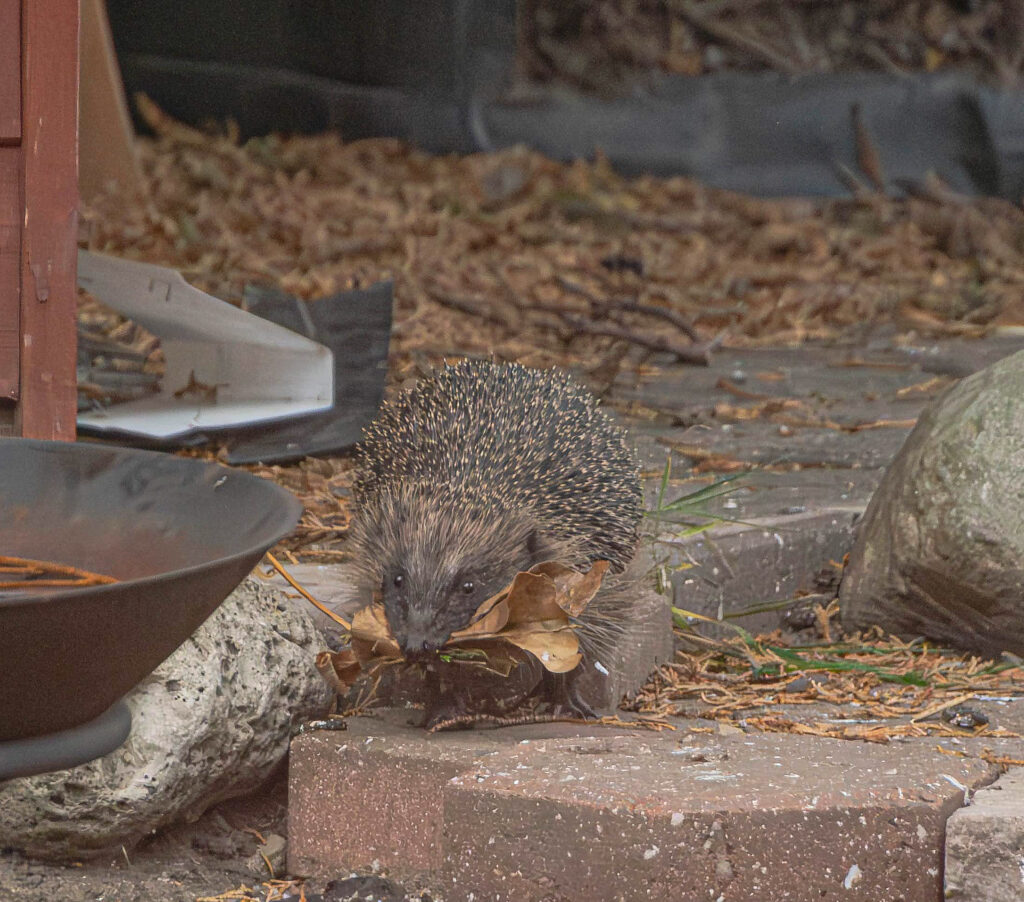
Animals using human waste is not new. Birds have long been known to weave plastics and cigarette butts into their nests. But until now, similar behaviour in mammals has been largely overlooked, partly because their nests are harder to find and study.
The new findings suggest hedgehogs may be adapting to increasingly urban environments by using whatever materials are available.
Urbanisation has reduced natural resources like leaves and plant matter, which hedgehogs typically rely on for nest-building. As a result, discarded human materials may be filling the gap.
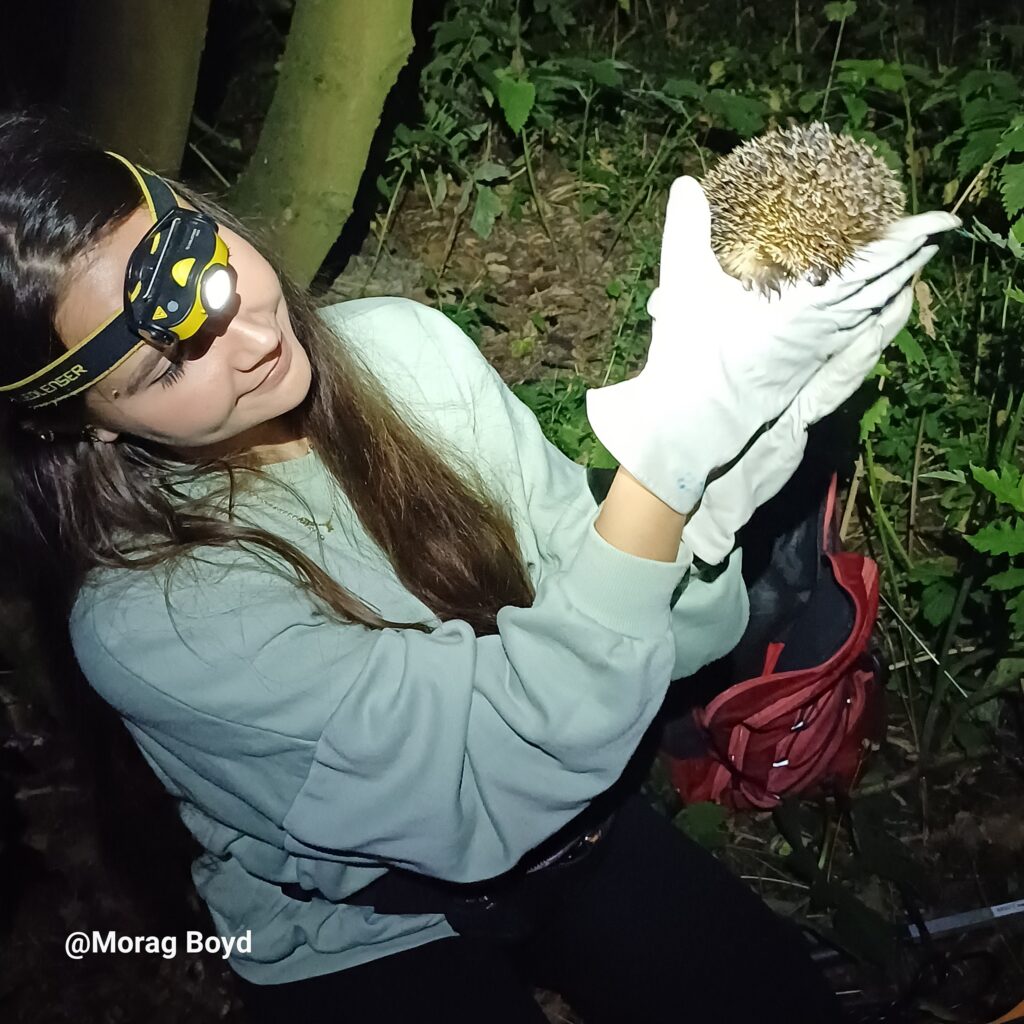
Katie’s research has also looked at hibernation patterns.
A helpful or harmful adaptation?
Scientists say it’s not yet clear whether this behaviour helps or harms hedgehogs.
On one hand, using readily available materials could be a sign of adaptability, helping the animals survive in built-up areas. On the other, plastics and other waste pose risks, including entanglement or ingestion.
The researchers say more work is needed to understand whether these artificial nests improve insulation during hibernation, or expose hedgehogs to dangers.
A wider warning
The study highlights a broader trend – as human populations grow and cities expand, wildlife is being forced to adjust in unexpected ways.
Plastic and other debris are now so widespread that they are becoming part of natural habitats. Scientists say understanding how animals respond to these changes will be key to protecting vulnerable species like hedgehog.

