
Research: Regent’s Park hedgehogs face local extinction
17th August 2026
The last remaining population of hedgehogs in London’s Royal Parks is on the brink of disappearing, according to a new 10-year study that paints a bleak picture of the species’ decline in the heart of the capital.
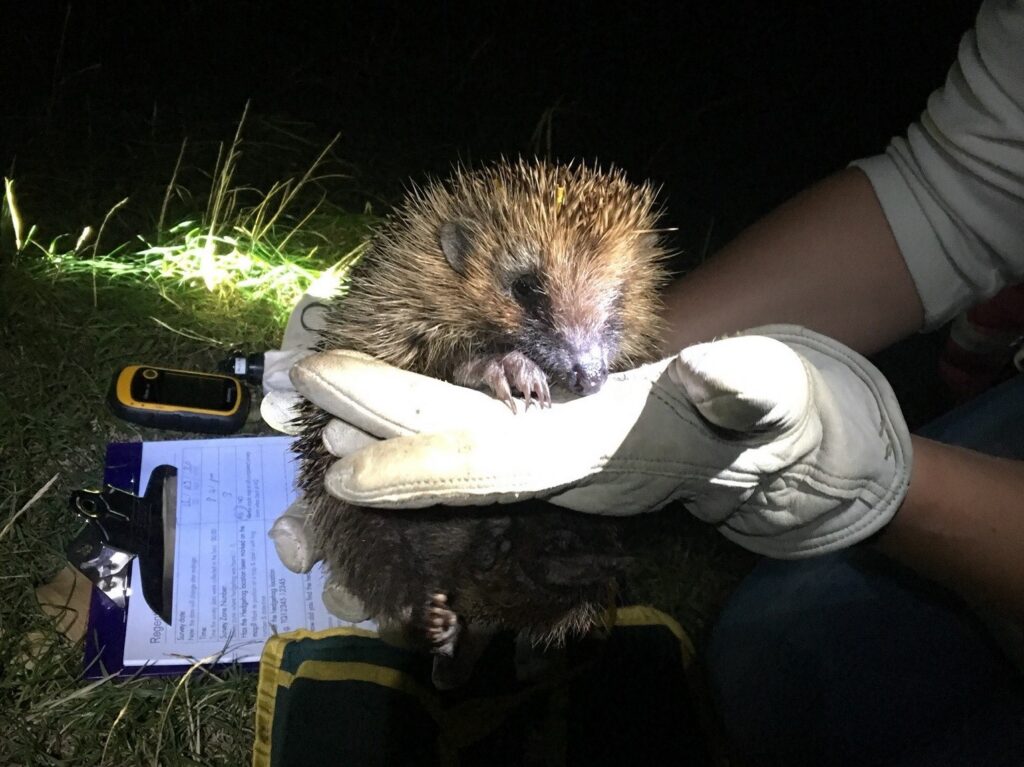
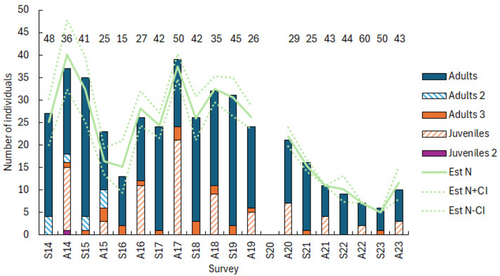
The new study found that the isolated population in Regent’s Park has collapsed from an average of around 28 animals during the first six years of the study to just six individuals in spring 2023. Although numbers recovered slightly to 10 by the autumn, the researchers warn the population is now critically small and could disappear without urgent intervention.
The findings are particularly significant because Regent’s Park now supports the only surviving hedgehog population in London’s central Royal Parks. Just a few decades ago, hedgehogs were found in Hyde Park, Kensington Gardens, Green Park and St James’s Park, but they have since vanished from all of them.

The decade-long project took place between 2014 and 2023, and relied on teams of volunteers who searched the park twice each year after dark, using powerful torches and thermal imaging cameras. Under license, captured hedgehogs were weighed, examined, tagged and released, allowing researchers to track changes in the population over time. Veterinary teams also investigated injured and dead animals to determine why the population was struggling.
The study found that breeding continued throughout the monitoring period, but too few young survived to adulthood to replace animals that died. Juvenile survival was especially poor, with most young hedgehogs failing to live beyond their first year. Only one hedgehog recorded during the study survived to the age of four.
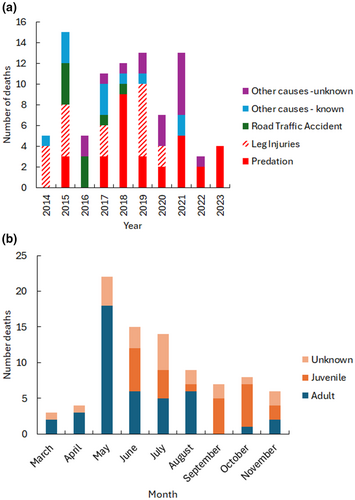
The researchers say two key factors appear to explain the decline: changes in distribution and predation pressure. Because the hedgehogs are cut off from other populations by the surrounding dense urban area, there is little opportunity for new animals to recolonise the park naturally. Human disturbance may also be a factor with consistently heavy park use which peaked during the COVID lockdowns.
Predation emerged as the biggest threat. Of the 88 dead or fatally injured hedgehogs recovered during the study, nearly 60% showed evidence of predation, most likely by urban foxes. The impact on young hedgehogs was even more severe: 96% of juvenile deaths were linked to predators. Other causes of death included road collisions, infections and drowning, although these accounted for far fewer losses.
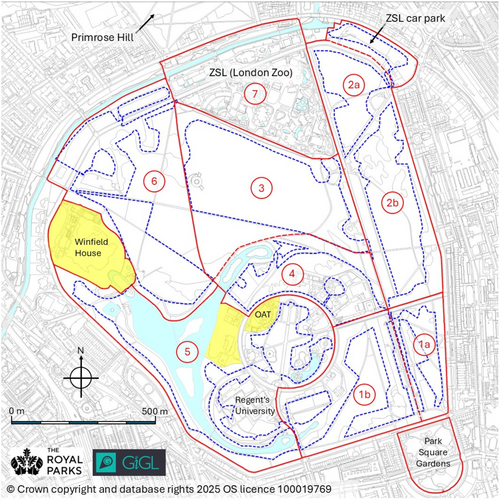
Researchers also documented a dramatic change in where hedgehogs lived within the park. Early in the study, they were distributed widely across Regent’s Park. But beginning in 2015, they disappeared from the southern and western sections and never returned. By the end of the survey, most surviving hedgehogs were concentrated in the park’s northeast, with London Zoo’s grounds becoming an increasingly important refuge and breeding area.
Despite the grim outlook, there may still be an opportunity to prevent the population’s disappearance. The authors recommend further research into habitat quality and prey availability, alongside targeted conservation measures and management practices to improve survival.
The study also highlights the value of long-term wildlife monitoring. Without a decade of surveys carried out by volunteers (including the Hedgehog Street team), the steady collapse of one of London’s last urban hedgehog populations might have gone unnoticed until it was too late.

